Motor Industry Report 2026
Chinese marques have gone mainstream, the double-cab has muscled into the luxury conversation, and affordability, not badge loyalty, steers the showroom. Cars.co.za's Industry Report 2026, launched at DealerCon, maps a market in quiet revolution.

Likers of Things

The South African driveway is changing shape. Where a German saloon once signalled arrival, a Toyota Land Cruiser or Ford Ranger increasingly does the job, and where a Japanese or European badge was the default, roughly a fifth of the market now belongs to brands built in China. These are among the findings of the Motor Industry Report 2026, launched by Cars.co.za at DealerCon on 17 September.
The report draws on the platform's own site and lead data, a new survey of more than 2,000 car shoppers, credit and affordability insights from TransUnion, and Absa Vehicle and Asset Finance's analysis of 2.56 million finance applications. Together they describe a market that is resilient but stretched. July 2026 new passenger vehicle sales reached their highest monthly level since September 2014, yet interest rates sit at 7.0%, financial optimism has slipped from 71% to 66%, and 53% of consumers report trimming discretionary spending.
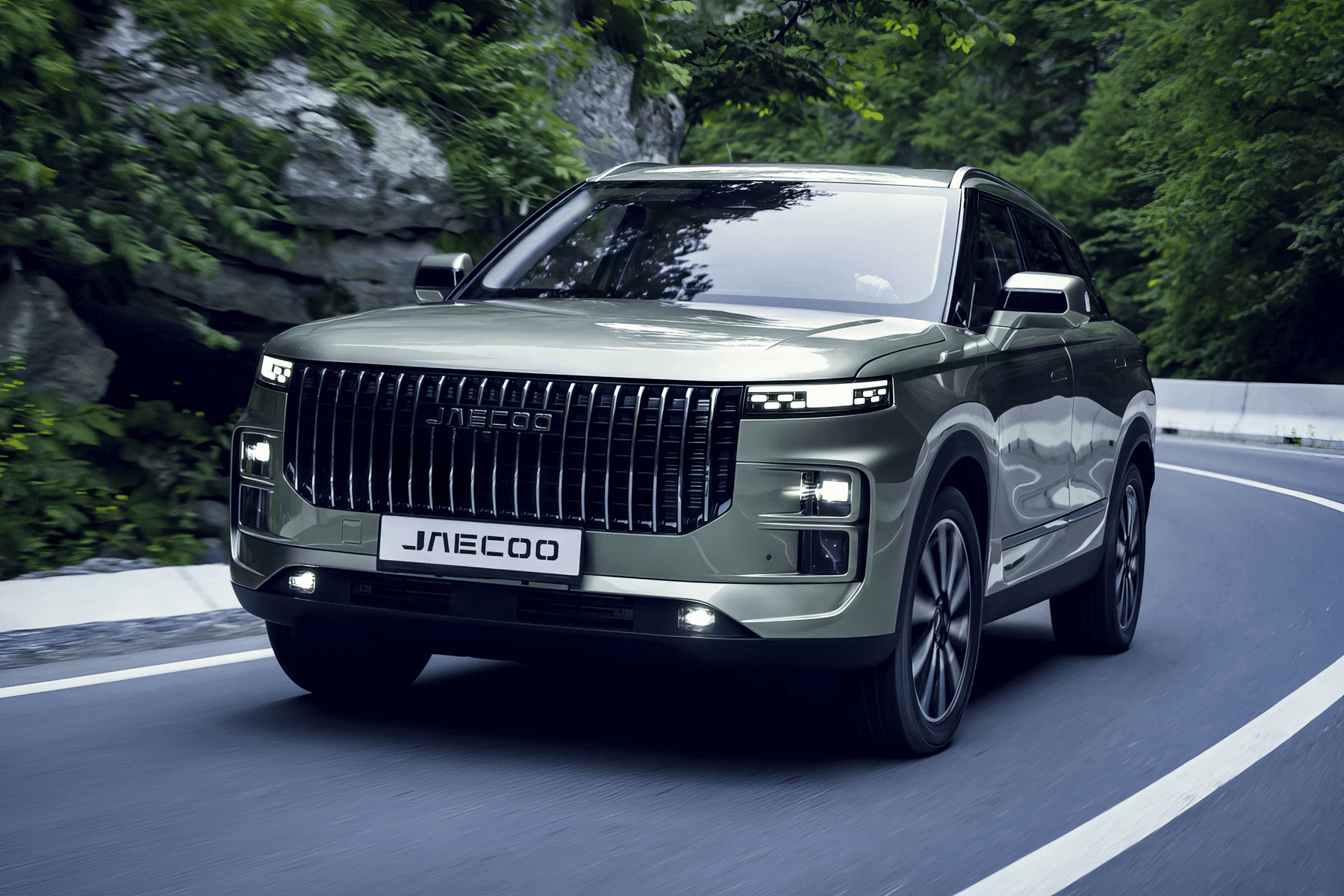
Alan Quinn, Chief Innovation and Product Officer at Cars.co.za, says affordability is now shaping behaviour more than ever, while "Chinese brands are moving firmly into the mainstream". The numbers bear him out. Chinese manufacturers grew sales 72% year-on-year in the second quarter against 3% for traditional marques, and now hold a combined share of around 22%. In the SUV segment the shift is starker still: Chinese brands account for 40% of SUV finance applications, up from 19% in 2023.
Tellingly, most shoppers say a vehicle's country of manufacture makes no difference to them. What matters is price, cited by 70.8% of respondents, and fuel efficiency, at 52.5%. Social media does the heavy lifting in discovery, but once a shortlist forms the older rituals return: the test drive and the written review.
The bakkie, meanwhile, has completed its long march from farm gate to boardroom. Double-cabs make up 58.49% of light-commercial stock on Cars.co.za, up from 48.88% in 2020, and 65% of Absa's bakkie finance applications. The traditional Big Four of Ford, Toyota, Nissan and Isuzu have seen their combined share of those applications fall from 84% to 75% over three years, largely on Nissan's retreat. Among status-conscious buyers, German luxury brands are shedding consideration while Ford and, in particular, Toyota gain it; the Ranger and Land Cruiser now appear regularly in the shortlists of people who once looked only to Munich and Stuttgart.
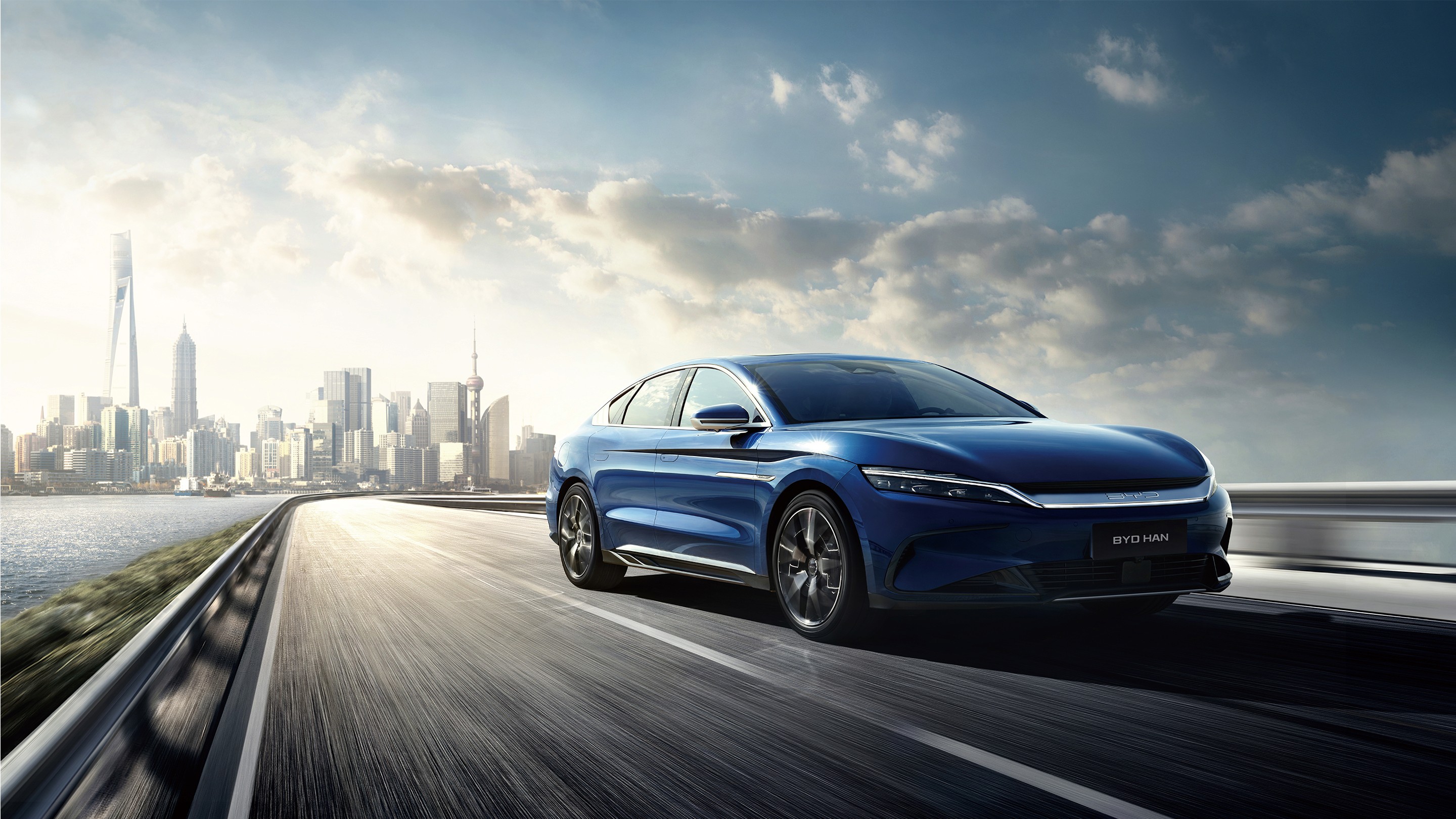
Electrification remains a niche, but a growing one. Hybrid listings have climbed from 0.14% of stock in 2020 to 1.74% this year. Electric vehicle buyers earn a median R115,000 against R73,000 for buyers of combustion cars, and BYD alone accounts for 61% of EV finance applications.
For dealers, the report's counsel is plain: stock, sales conversations and marketing spend should follow value, efficiency, test drives and reviews rather than legacy loyalty. For the rest of us, it confirms what the parking lot at any weekend market has been suggesting for a while.
About

Featured Posts




Explore Topics