FNB Art Joburg Turns 19
FNB Art Joburg turns 19 and the city that raised it turns 140 alongside it, throwing its biggest party yet.

Likers of Things

There is a particular kind of confidence that only comes from not needing an introduction. FNB Art Joburg has that now. As the fair readies itself for a nineteenth edition from Friday, September 4 to Sunday, September 6, 2026, at the Sandton Convention Centre it does so not as an event asking to be noticed, but as a fixture the continent's art world has long since built its calendar around.
The timing is not incidental. This year's fair coincides with Johannesburg's 140th birthday, a city that has spent a century and a half proving that ambition is a renewable resource. "Johannesburg has always been a place where ambition meets possibility," says fair director Mandla Sibeko, describing a city "propelled by movement, sustained by inquiry." It is, in other words, exactly the kind of place where an art fair stops being a trade event and starts being a cultural instrument.
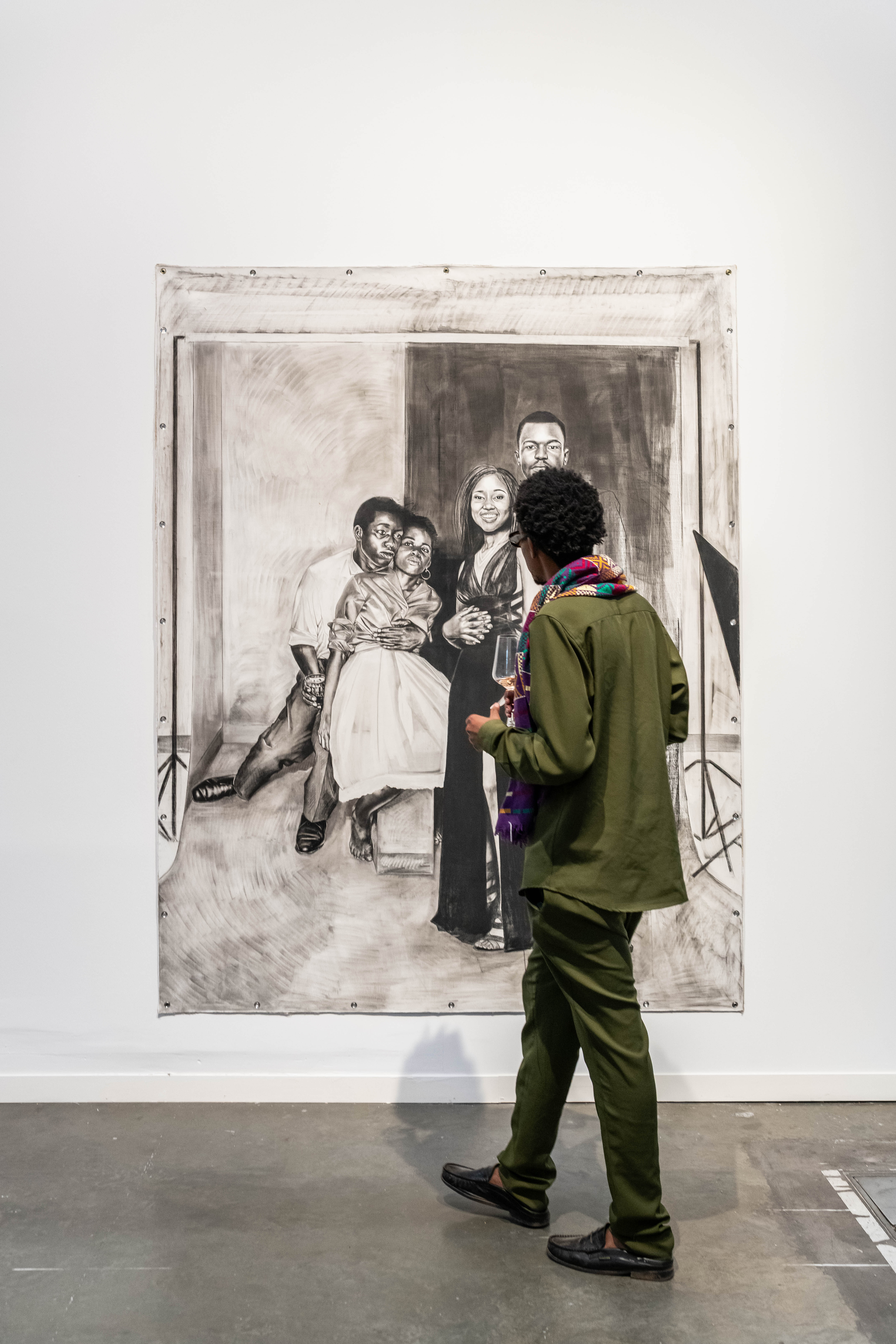
FNB, the fair's longtime partner, frames the relationship in terms that read less like sponsorship copy and more like a thesis statement: that creativity, properly resourced, becomes infrastructure for opportunity, for connection, for the kind of change that doesn't announce itself so much as accumulate.

An ecosystem, not a floor plan
What separates a fair from a market is architecture not the physical kind, but the curatorial logic that determines who gets a room and why. FNB Art Joburg has built that logic deliberately, across seven established sections, each a distinct register within the same conversation:
Gallery HUB: the establishment wing, home to Africa's most institutionally decorated galleries and the artists already shaping the global canon.
Gallery LAB: the experimental counterpoint, built for spaces still inventing their own vocabulary.
ORG: the non-profits and artist-run initiatives doing the unglamorous work of keeping culture standing upright.
AUX: talks, screenings, performances: the fair's discursive layer, for those who want the ideas alongside the objects.
INK: formerly ETC, now recast as a dedicated home for print culture, criticism and the artist's book, a quiet insistence that language is its own medium.
GIF: a sustained study of photography, arguably South Africa's most consequential visual form, tracing its lineage forward.
MAX: the spectacle section, where scale itself becomes the argument.
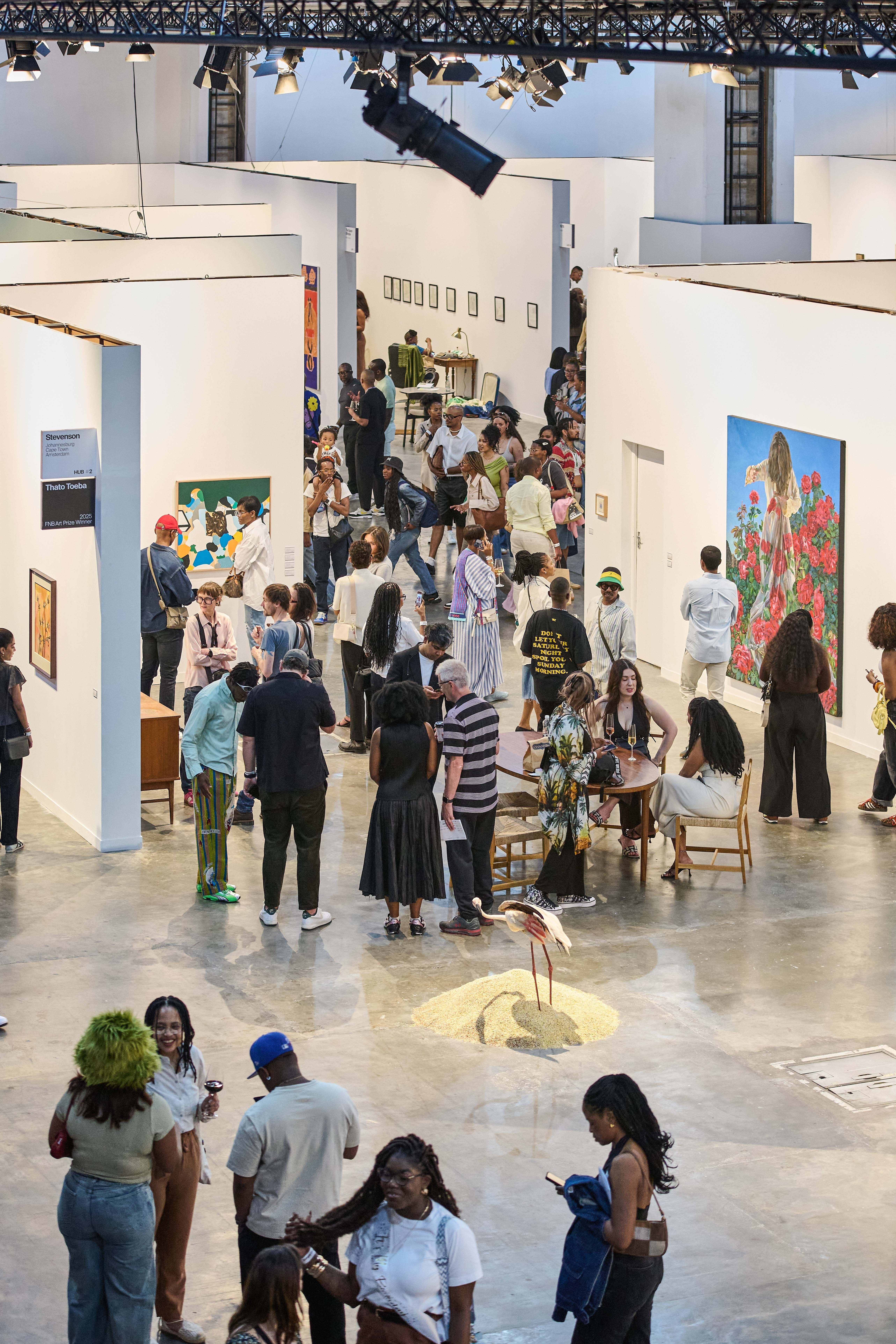
New this year is ARC, a section built for friction. It is where the fair makes room for practice that resists easy categorization work chosen not because it settles comfortably into the market, but because it unsettles the conversation around it. If the rest of the fair is a portrait of where African art has arrived, ARC is a glimpse of where it's headed next.
The city as exhibition
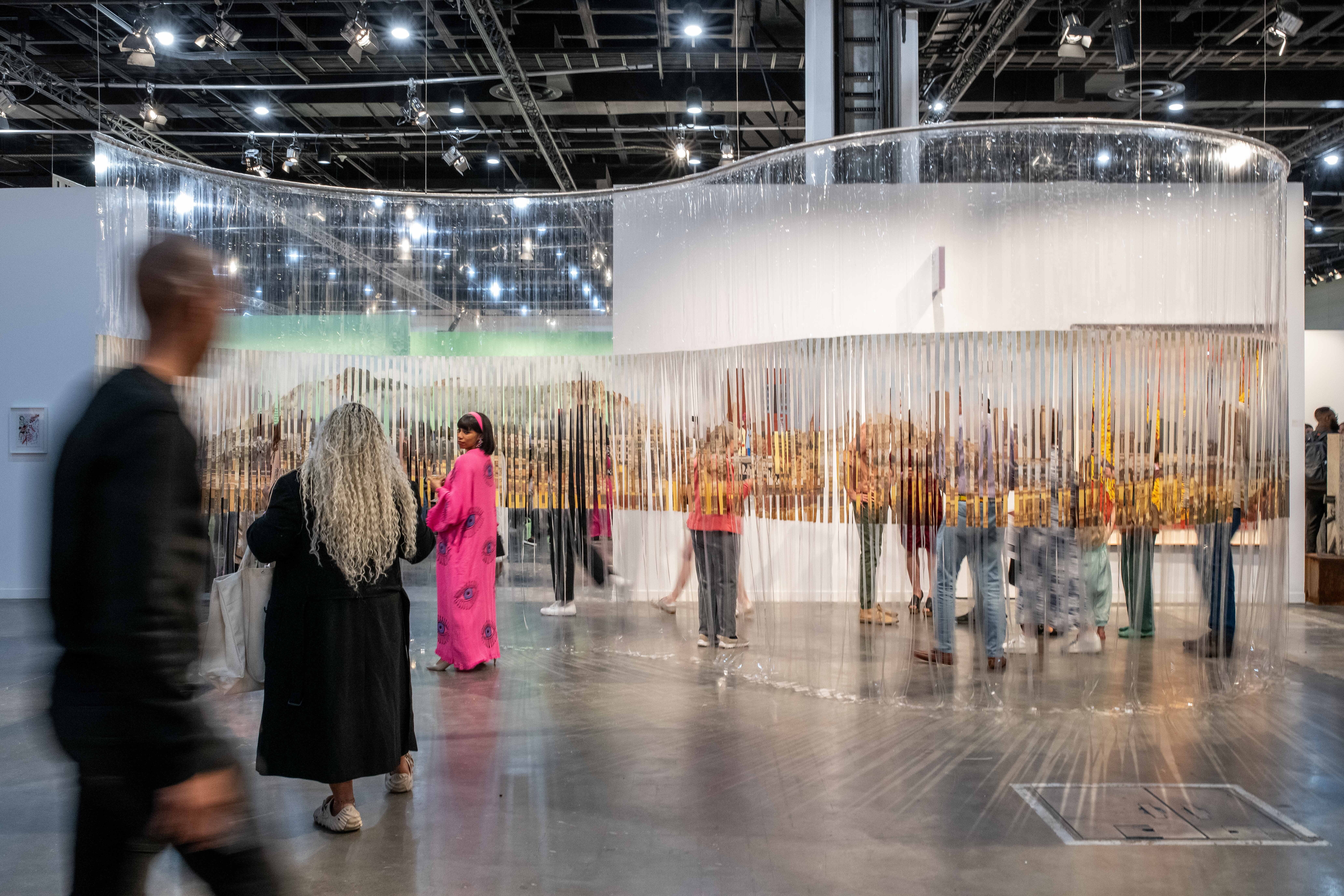
The fair has never confined itself to a convention floor, and this edition doesn't pretend to start small. Open City, running August 20 through September 14 in partnership with Brand South Africa, extends the fair's reach across Johannesburg itself turning restaurants, music venues, design studios and public spaces into an unbroken circuit of programming. It is less a fringe festival than a statement of intent: that the fair's real venue was always the city, and the Convention Centre is simply where the conversation gets formalized.
Ther Verdict
At 19, FNB Art Joburg has outgrown the need to prove its relevance what remains is the more interesting task of defining its next chapter. "Through inclusivity, inquiry and the incubation of new ideas," says Sibeko, "FNB Art Joburg continues to champion the innovation that is shaping the continent's role in the future of the global ecosystem." For a city built on restlessness, that's not a tagline. It's simply the operating principle.
FNB Art Joburg 2026 runs September 4–6 at the Sandton Convention Centre. For details, visit www.fnbartjoburg.co.za or follow @FNBArtJoburg.
About
Featured Posts



Explore Topics